
Trees, fruit trees and calquats
OSRS Tree Run Calculator
Calculate XP, cost and supplies for your OSRS tree and fruit tree runs. Add calquats, choose your teleports and follow the route, or work out how many runs you need for your next Farming level.
Reviewed 28 September 2026
Your plan
Tree run
- Farming XP
- Your time estimate
- Net cost
- Time until grown
Your run, stop by stop
Follow the stops below for your selected patches.
Inventory and supplies
Item prices and care costs
Pack for your run
A spade and these saplings and care items. Add the teleports for your stops.
Coins and harvest
Checking GE prices…
Loading patch map…
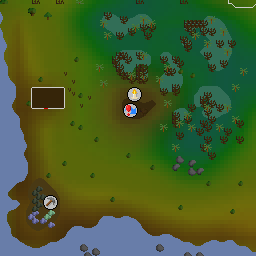
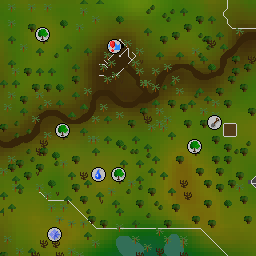
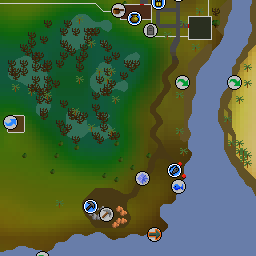
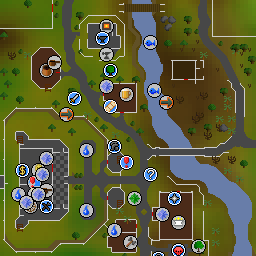
- ALumbridge Teleport
- 1Tree patch
Loading patch map…
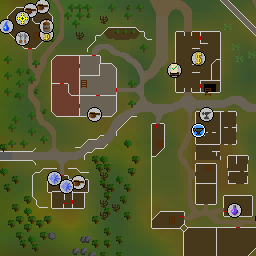
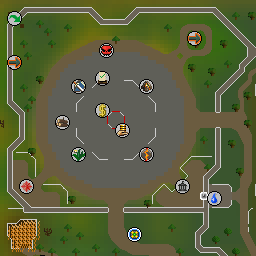
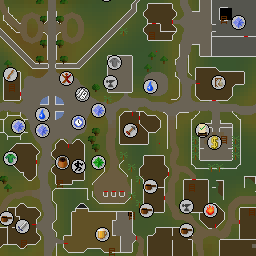
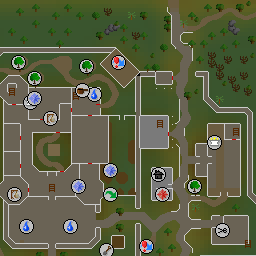
- AVarrock Teleport
- 1Tree patch
Loading patch map…
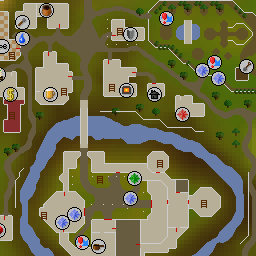
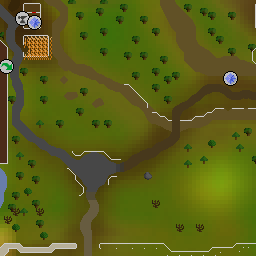
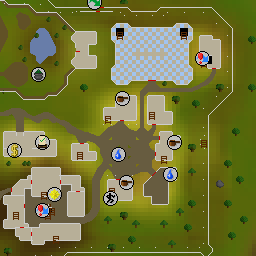
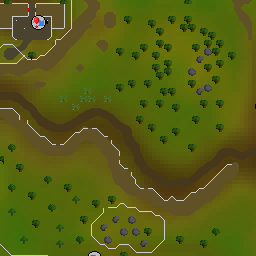
- ARing of wealth: Falador Park
- 1Tree patch
Loading patch map…
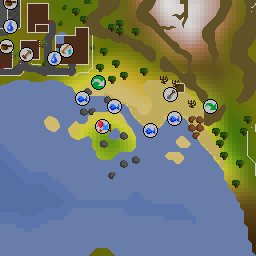
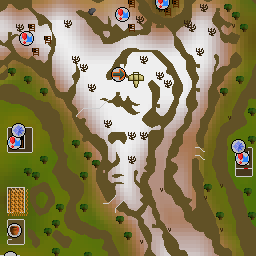
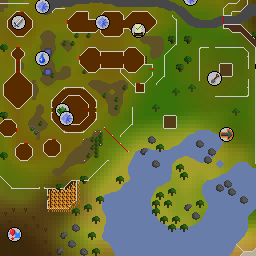
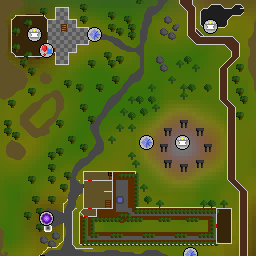
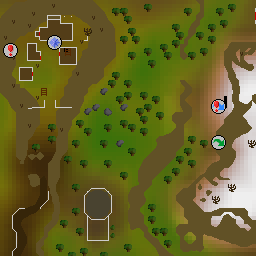
- ATaverley teleport
- 1Tree patch
Loading patch map…
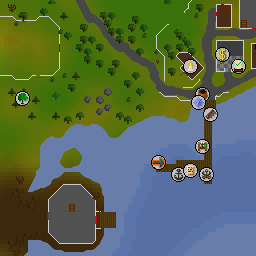
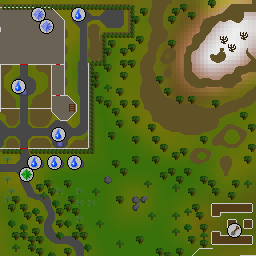
- ACatherby teleport tablet
- 1Fruit-tree patch
Loading patch map…
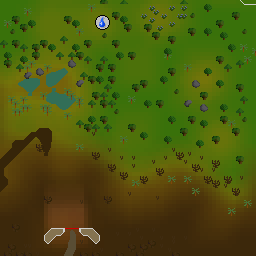
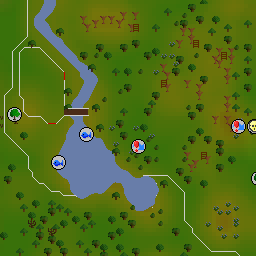
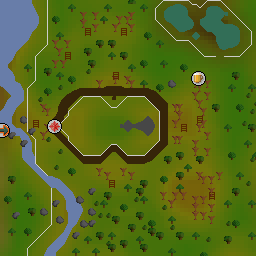
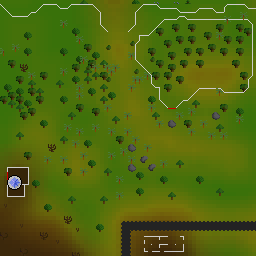
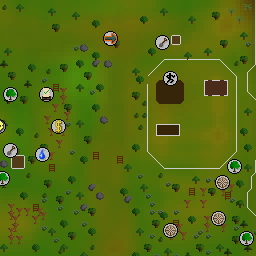
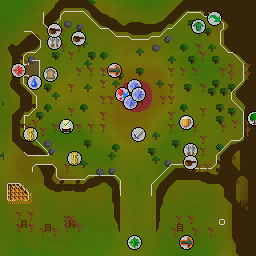
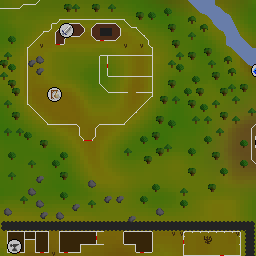
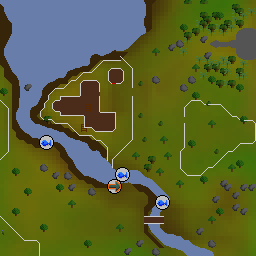
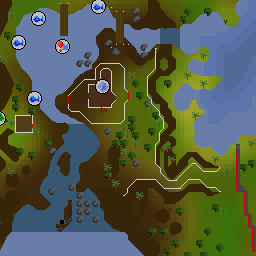
- ASlayer ring: Stronghold Slayer Cave
- 1Tree patch
- 2Fruit-tree patch
- 3Spirit tree
Loading patch map…
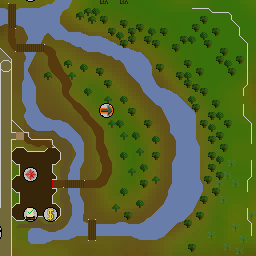
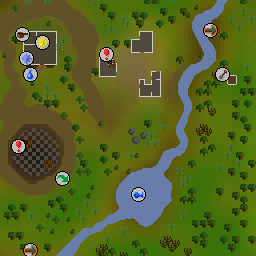
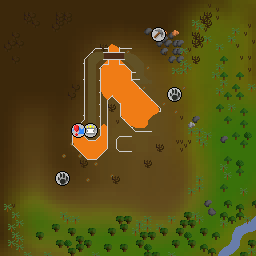
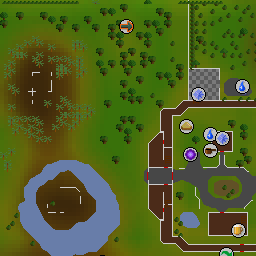
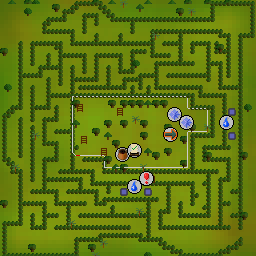
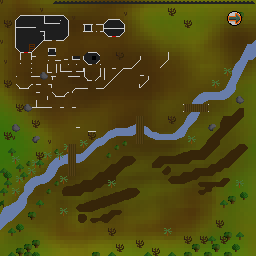
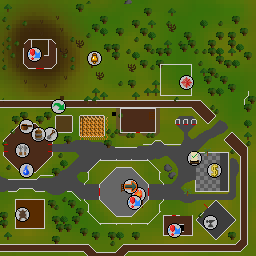
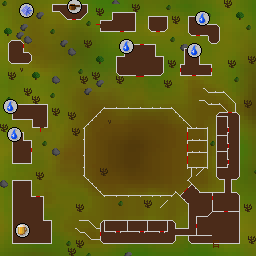
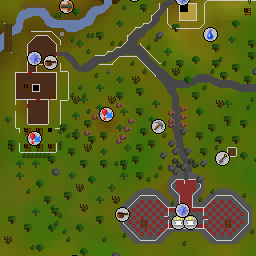
- AFairy ring CIQ
- 1Fruit-tree patch
Loading patch map…
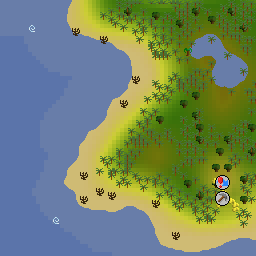
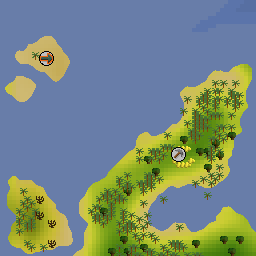
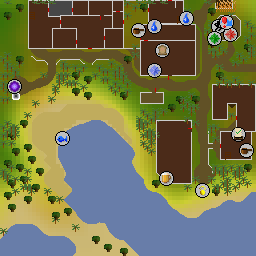
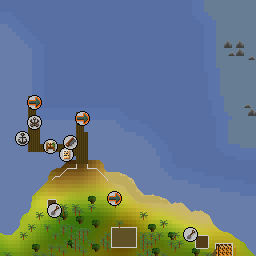
- ABrimhaven house portal
- 1Fruit-tree patch
Loading patch map…
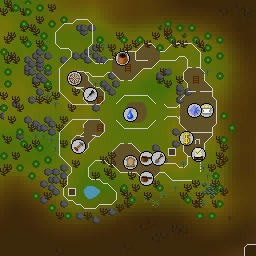
- ATeleport crystal: Lletya
- 1Fruit-tree patch
Loading patch map…
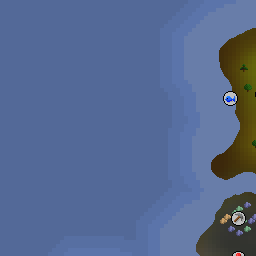

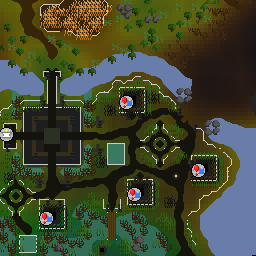
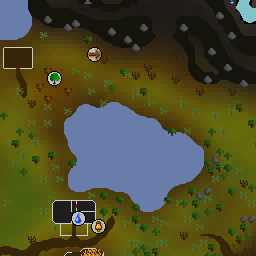
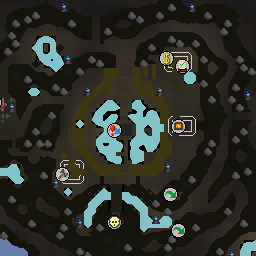
- ASkills necklace: Farming Guild
- 1Tree patch, 65 Farming
- 2Fruit-tree patch, 85 Farming
Loading patch map…
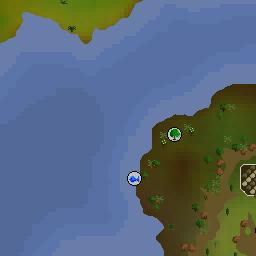
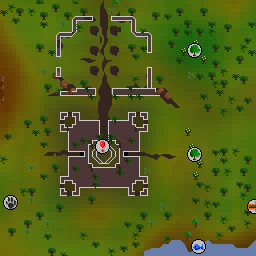
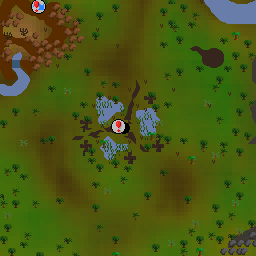
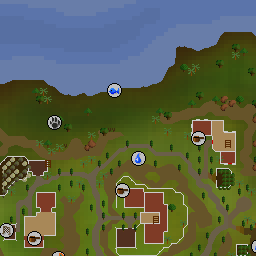
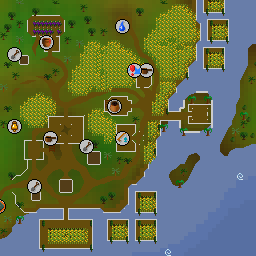
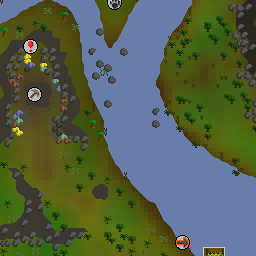
- AQuetzal landing: Kastori
- 1Calquat patch
- 2Fruit-tree patch
Loading patch map…
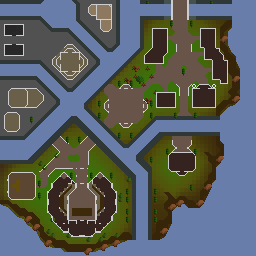
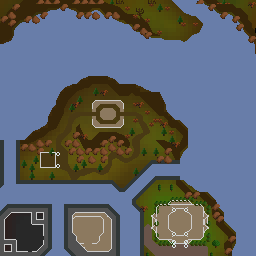
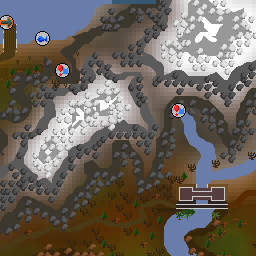
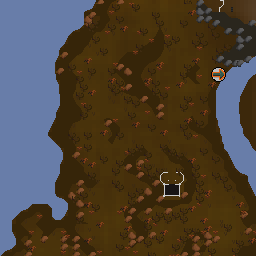
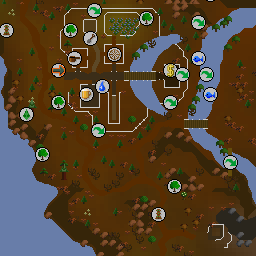
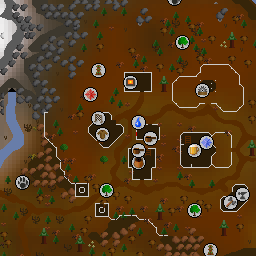
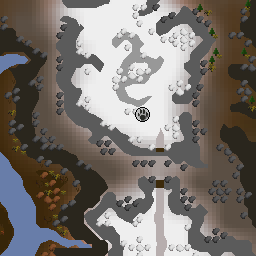
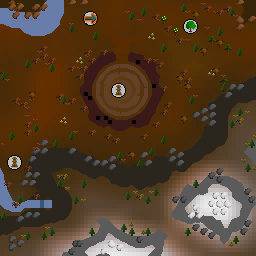
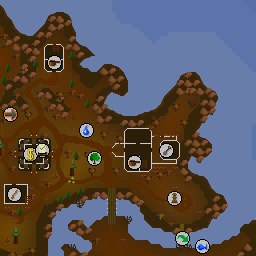
- APendant of Ates: Nemus Retreat
- 1Tree patch
Loading patch map…
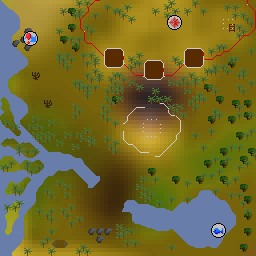
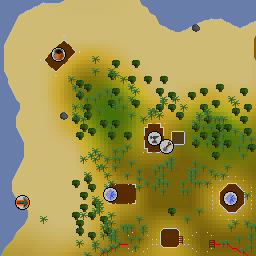
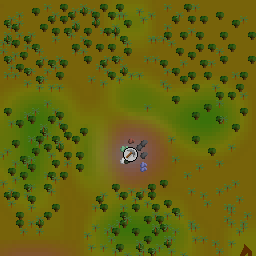
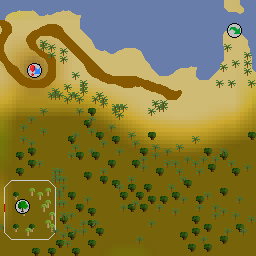
- ATai bwo wannai teleport
- 1Calquat patch
Loading patch map…

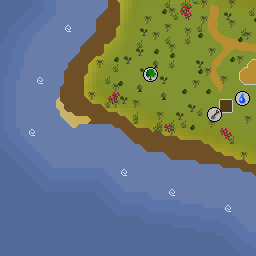

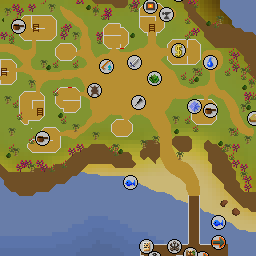
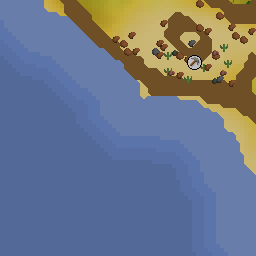
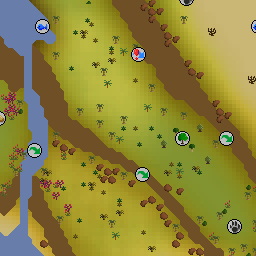
- ACharter ship: The Summer Shore
- 1Harbour pier
- 2Calquat patch
Loading patch map…
- AFairy ring AIS
- 1Tree patch
Loading patch map…
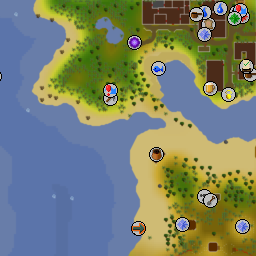
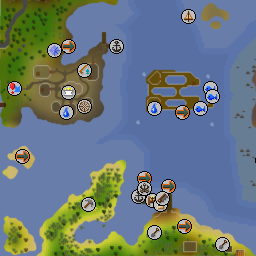
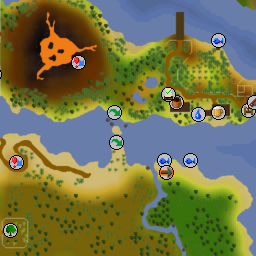
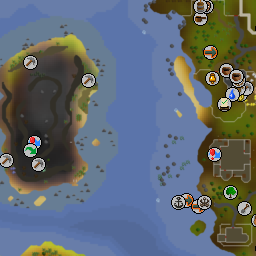
- AWalk from the Brimhaven fruit-tree patch
- 1Calquat patch
Loading patch map…
- AFalador Teleport
- 1Tree patch
Loading patch map…
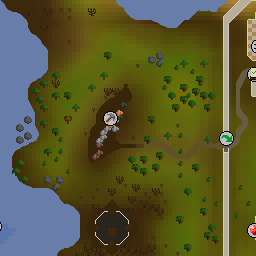
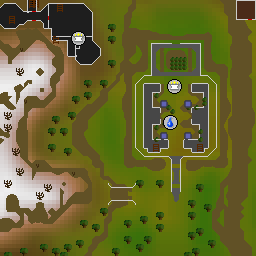
- AWalk from the Falador Park tree patch
- 1Tree patch
Loading patch map…
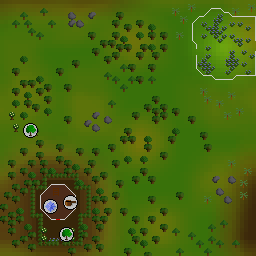
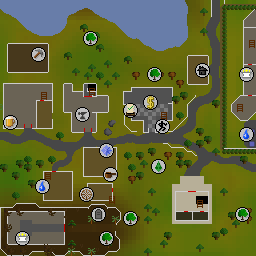
- ACamelot Teleport
- 1Fruit-tree patch
Loading patch map…
- ASpirit tree: Gnome Stronghold
- 1Tree patch
- 2Fruit-tree patch
- 3Spirit tree
Loading patch map…
- ASpirit tree: Tree Gnome Village
- 1Loose railing; follow Elkoy
- 2Maze exit (Elkoy)
- 3Fruit-tree patch
Loading patch map…
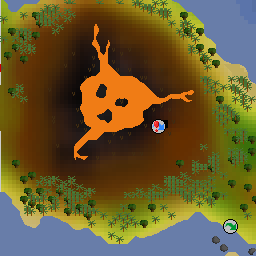
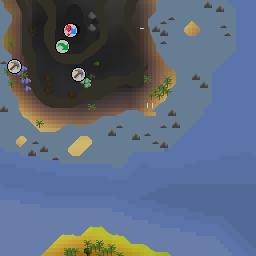
- ASpirit tree: Brimhaven
- 1Fruit-tree patch
Loading patch map…
- ACharter ship from Catherby
- 1Disembark onto the pier
- 2Fruit-tree patch
Loading patch map…
- ASpirit tree: Farming Guild
- 1Tree patch, 65 Farming
- 2Fruit-tree patch, 85 Farming
Loading patch map…
- AFairy ring CIR
- 1Tree patch, 65 Farming
- 2Fruit-tree patch, 85 Farming
Loading patch map…
- APendant of Ates: Kastori
- 1Calquat patch
- 2Fruit-tree patch
Loading patch map…
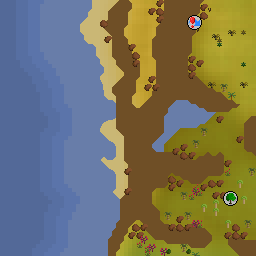
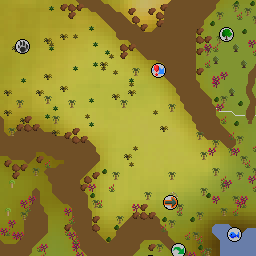
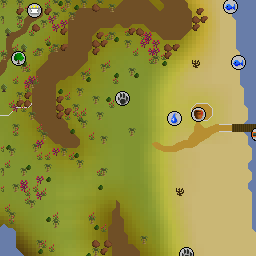
- AFairy ring CJQ
- 1Rocks: 50 Agility
- 2Calquat patch
Loading patch map…
- ACatherby fruit-tree patch
- 1Catherby charter docks
What the totals include
XP assumes successful growth. Active time uses your circuit minutes; add time for the first planting trip and gathering supplies. Teleport costs are extra. The route follows the selected stops rather than calculating your fastest possible journey.
How to do a tree run in OSRS
Tree runs give most of their XP when you check a fully grown tree's health. You only spend a few minutes at the patches; the trees grow while you do something else.
- Bank before you start. Withdraw unnoted saplings, a spade, coins and your teleports. Bring gardener payments as notes. The suggested inventory above updates for your patches and travel choices.
- Check health, then clear. At a grown tree, click Check-health first. Pay the gardener 200 coins to remove a regular or fruit tree, or clear it yourself. Dig up calquats with your spade. Pick fruit first if you want to keep it; skip picking for a quicker run.
- Plant and protect. Plant the next sapling, then pay the gardener or add ultracompost. Store compost with a Tool Leprechaun and withdraw a bucket as needed, or bring a filled bottomless compost bucket.
- Move to the next patch. Follow the map from your selected teleport. When you finish, bank your tools and return after the trees have grown.
For your first tree run, plant the empty patches and collect the check-health XP on a later visit. Bring a rake if weeds have grown. A Tool Leprechaun can note harvested fruit, but cannot unnote your saplings.
How many tree runs do you need?
Choose Runs to goal, load your Farming XP or enter it, then set a target level. The calculator works out the runs, total supplies, GP cost and growth time for your chosen trees. The inventory shows one full circuit; the result lists a shorter final visit when fewer patches will finish your goal.
Fruit trees take 16 hours to grow and calquats take 21 hours 20 minutes, so one daily run works for both. Regular trees grow faster; the growth time depends on your sapling. Choose morning and evening runs if they fit your schedule.
How tree run XP is counted
The calculator counts planting and check-health XP at each selected patch. Fruit XP is included only if you pick it.
One apple tree with ultracompost
Planting and checking health give 1,221.5 XP. Ultracompost adds 36 XP, for 1,257.5 XP without picking fruit. The six apples add another 51 XP: 1,308.5 XP if you pick all six.
Protection or ultracompost?
Paying the gardener protects that tree for its growth cycle. Ultracompost reduces the chance of disease, but a tree can still die. For Ironman accounts, it often saves scarce protection items. The XP and run totals assume your trees survive; keep spare saplings for replacements.
Costs include saplings, your chosen care and gardener clearing. Keeping or skipping fruit adds no sale income; selling deducts its GE value after tax. Teleports and optional equipment are extra.
For quests, Tithe Farm and other crops, use the Farming training planner. Our 1–99 Farming guide covers early levels and the other ways to train.